
“Growing your own food is like printing your own money.”
Ron Finley
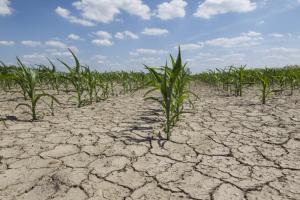 (EU Science Hub)
Global food production is not sustainable. It has become a machine intended to feed the 7.7 billion people that inhabit the planet, but it fails at doing so. The majority of that food is either institutionally inaccessible to people or fed to livestock. Our means of producing food today is very expensive fiscally, socially, and environmentally.
Fiscally, inexpensive vegetables and grains are pumped with pesticides, produced in monocultures, and transported great distances – across states and even countries. Fresh and local organic produce is a much more sustainable option, but it can be expensive. Socially, farmhands are often compensated below minimum wage and are subjected to brutal working conditions. From an environmental perspective, mass production farms add egregious amounts of chemicals to our land and our water, which depletes topsoil and freshwater at alarming rates. These mass production farms often contain large monocultures, which decrease biodiversity and available habitat. When shopping in the grocery store, most people do not consider the social and environmental impacts of their purchases.
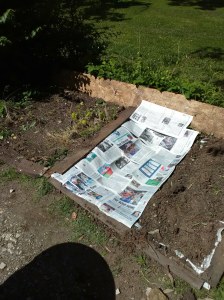
Gardening
It is much cheaper to produce your own food; therefore, fiscally, it is a much better option than buying it at a grocery store. Socially, a collection of people producing food for themselves is a great way to build community. Personal food production, or food production on a much smaller scale, is far more sustainable than large-scale agriculture. Gardening can be tough on your body, but if done sensibly, it can be the right amount of activity for the body and mind. Environmentally, organic, small-scale food production allows for much more responsible landscaping, and environmental stewardship is much more involved in decision making.
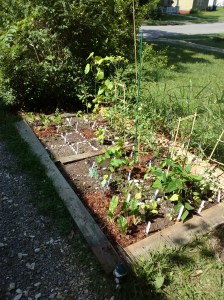
Small Home Garden
Gardening can be done on any scale. If you are limited to an apartment patio, you can grow many vegetable and herb varieties in small containers. If growing plants is not possible at your home, then community gardens are a great option. You can rent a plot for a season or work in a garden for three to five hours per week in exchange for a CSA share. Small, organic farms are always looking for volunteers. Another option for more sustainable produce is shopping at your local farmers’ market, which supports local farmers and seasonal produce.
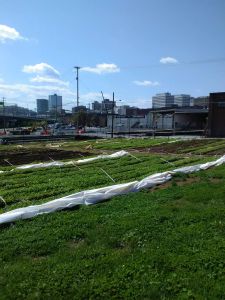
Small-Scale, Sustainable Farm
Small scale, personal food production is a great way to eat sustainably. By lowering your dependence on mass-produced food, you drastically reduce your environmental impact, strengthen your community, and improve your health.

Ben DiFilippo
Guest Blogger

